Published July 2022
Thermoplastic polyester engineering resins, sometimes referred to as terephthalate engineering resins, include polybutylene terephthalate (PBT), polyethylene terephthalate (PET), and polycyclohexylene dimethylene terephthalate (PCT). These products are all thermoplastic linear condensation polymers based on dimethyl terephthalate (DMT) or terephthalic acid (TPA), but on different glycols.
Polybutylene terephthalate (PBT) resins and polyethylene terephthalate (PET) engineering resins are highperformance, high-molecular-weight materials that can be converted into functional components and parts that are in turn used in a diverse array of assemblies for automotive, electrical/electronics, appliance, and industrial equipment applications. PBT resins and PET engineering resins share many of the same markets; however, PBT is consumed in much larger volumes than PET (accounting for about 90% of the total consumption of PBT and PET) because of its easier processibility and shorter processing times.
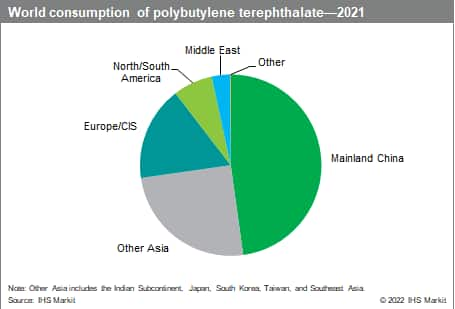
The following pie chart shows world consumption of polybutylene terephthalate:
Overall use of PBT in automotive applications has increased as a result of greater use of electrical/electronics devices such as housings for electric motors for window and seating adjusters, as well as passenger airbags, safety belt tensioners, and others. Newer PBT grades with improved hydrolytic stability are being used in under-the-hood parts such as plugs, connectors, and housing parts that must withstand the increasingly stressful demands of the automotive industry. Also, polyester resins have benefited from improvements in mold design, better understanding of flow behavior in molds, increased robotics, and increased computer simulation, which have improved the efficiency and economics of the production of large, molded parts.
In recent years, the industry has been researching methods to become more environmentally friendly. Since 2006, DuPont has been marketing commercialized polytrimethylene terephthalate (PTT) engineering thermoplastic resin that is made from purified terephthalic acid (PTA) and biopropanediol (bio-PDO). The bio- PDO is made from renewable resources. Also, SABIC Innovative Plastics now offers Valox iQ resins, which are made by converting postconsumer PET bottles into engineering plastics as replacements for PBT. Valox iQ compound is now used to make brackets for side air deflection systems for Volvo heavy-duty trucks.
The largest application for PBT was automotive uses. The combination of high mechanical and electrical properties, good thermal stability, and superior chemical resistance creates many automotive application opportunities for both PBT and PBT alloys.
Electrical/electronics is the next-largest sector for PBT consumption. The largest single use for PBT and PET in the electrical/electronics market is for connectors, where their dielectric and arc resistance properties, insulation characteristics, strength, chemical and heat resistance, and dimensional stability are valued.
For more detailed information, see the table of contents, shown below.
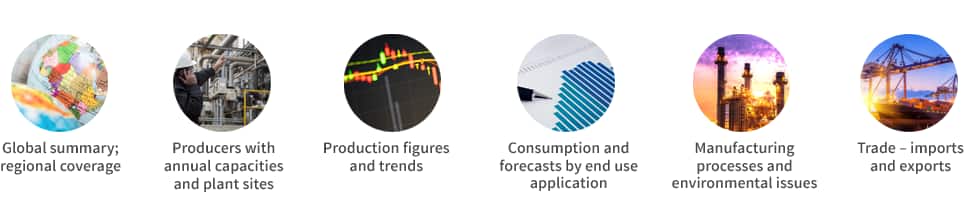
S&P Global’s Chemical Economics Handbook – Thermoplastic Polyester Engineering Resins is the comprehensive and trusted guide for anyone seeking information on this industry. This latest report details global and regional information, including
Key Benefits
S&P Global’s Chemical Economics Handbook – Thermoplastic Polyester Engineering Resins has been compiled using primary interviews with key suppliers and organizations, and leading representatives from the industry in combination with S&P Global’s unparalleled access to upstream and downstream market intelligence and expert insights into industry dynamics, trade, and economics.
This report can help you
- Identify trends and driving forces influencing chemical markets
- Forecast and plan for future demand
- Understand the impact of competing materials
- Identify and evaluate potential customers and competitors
- Evaluate producers
- Track changing prices and trade movements
- Analyze the impact of feedstocks, regulations, and other factors on chemical profitability